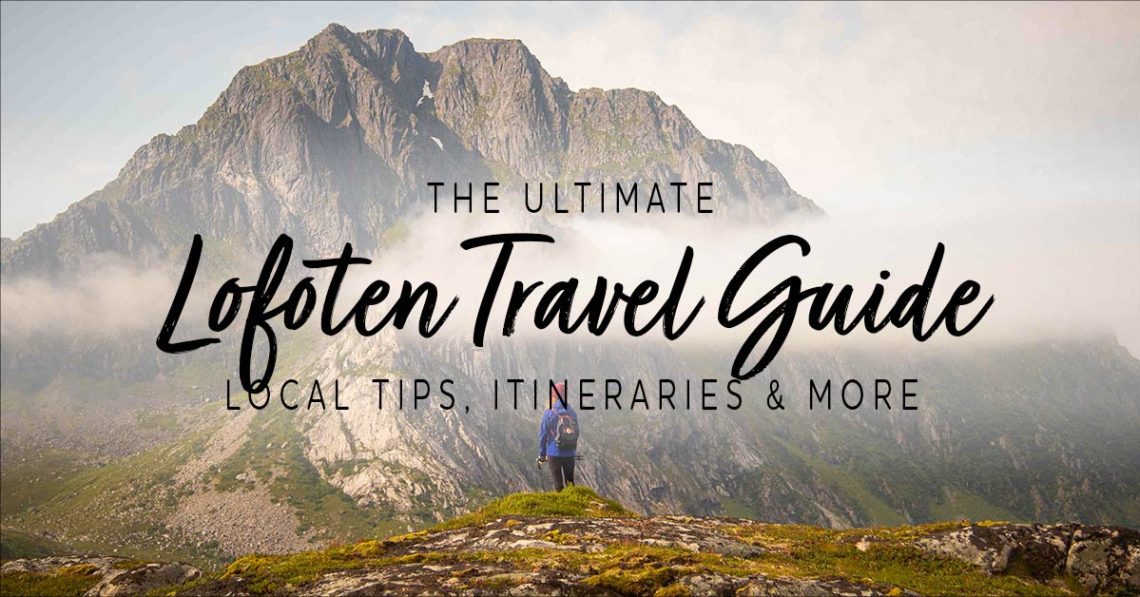
How to Visit Lofoten – The Ultimate Lofoten Island Travel Guide

The magical Lofoten Islands are a hiker’s paradise full of dramatic peaks, peaceful fjords and enough adventures to fill a lifetime.
While I will never stop raving about how visiting Lofoten will change your life, its location in the Arctic Circle means there are a few things you should know before planning your trip. I should know, I lived in the Lofoten Islands for an entire year!
For those of you who want to visit Lofoten, I’ve created the ultimate Lofoten Island travel guide covering every aspect of planning a trip. Scroll down for an overview of everything you need to know and click through to my detailed posts for more info on all the topics.
Contents
What to Expect When Visiting Lofoten
As you’ve probably already seen in pictures, the Lofoten Islands are nothing short of stunning. In fact, on a good day, it’s even prettier than the photos!
Notice that I said, “on a good day”. Unfortunately, the perfect blue sky days that are so often seen on Instagram are rarely the reality here. Lofoten is a chain of Arctic islands that stick out into the ocean, when I say the weather is wild, I really mean it.
While I loved my time living in Lofoten, the main downside I will say about it is that I always felt like we were constantly waiting for a decent weather window to actually get out and enjoy this magical place.
Of course, I still recommend you visit Lofoten, but I think it’s important that you’re prepared with reality. Regardless of when you visit, there’s a high probability you’ll experience some kind of intense weather, whether that be gale-force winds, torrential rain or freezing temperatures.
Weather aside, you can plan for the best using my articles below and expect plenty of hiking, great photography spots and a touch of culture found in the historic fishing villages. For outdoor lovers, this really is a paradise.
Things to Do in the Lofoten Islands
Most people visit Lofoten for hiking, photography, fishing and surfing given there’s no better place in Norway than here. But even if you’re not that much of an outdoorsy person, there are still plenty of fun activities for all interests in the Lofoten Islands.
Lofoten is made up of tiny historical fishing villages full of Rorbuer (colourful huts that stand on stilts above the fjords). These traditional villages are some of the best-preserved fishing villages in all of Norway and two of them act as open-air museums showcasing how life here was in a time gone by. In addition to this, there’s a handful of other great museums and art galleries dotted around the island covering a whole range of topics.
While the main villages are now geared toward tourists, the Lofoten Islands still remain one of the biggest producers of stockfish worldwide. So if you want to try your hand at catching one of these iconic fish, you definitely still can.
For more details on what to do in the Lofoten Islands, check out these guides:

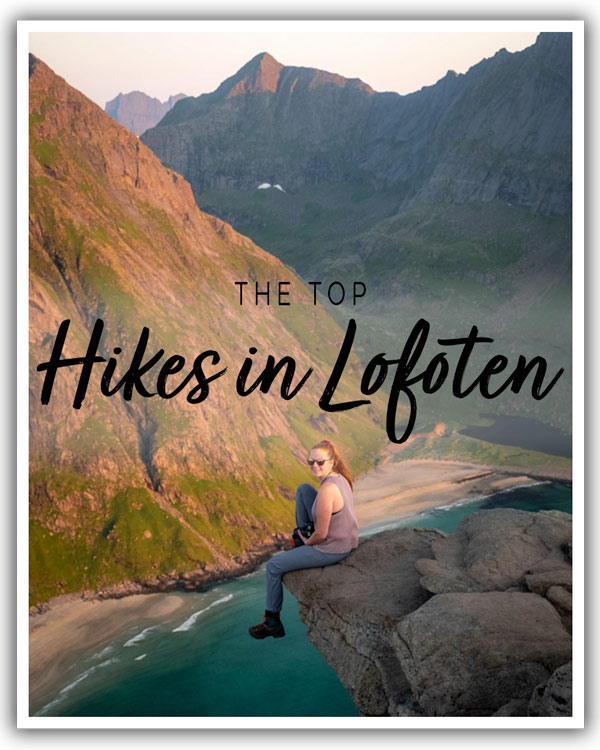
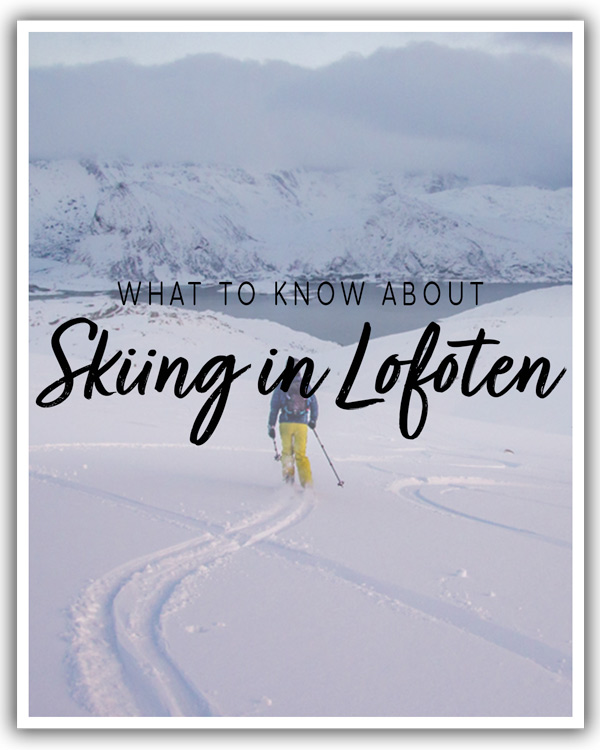

Places to See in Lofoten
Of course, there are endless places to see in the Lofoten Islands depending on your personal interests so I’ve included all the best ones on the map below. They’re also included in my Lofoten Itinerary, but to give you a quick run down, here are all the places you should see in the Lofoten Islands
Towns & Villages
- Reine – Reine is a must-do for anyone visiting the Lofoten Islands. Not only is it home to the famous Reinebringen hike but I think Reine is the most scenic village in Lofoten. Sitting between the fjord and mountains, there are unbeatable views from every angle of this cozy town.
- Å – If you want to see a traditional Norwegian fishing village that’s still in use, Å is the most authentic village you will see in the Lofoten Islands. Here you can wander around on your own and visit any of the functioning shops and restaurants, or buy a ticket for the Norwegian Fishing Village Museum which comprises a few different venues around the town. You’ll also find the Stockfish Museum here too.
- Nusfjord – This is the best-preserved fishing village in Norway and has been turned into one big museum. Each of the Rorbuer has been turned into a different shop or workshop for things like boat building, blacksmiths and even a bakery. You can also stay here in one of their luxury renovated Rorbuer.
- Henningsvær – My favourite village in Lofoten, Henningsvaer is made up of a bunch of small islands all joined together by bridges. This is the cultural heart of the Lofoten Islands and always has something going on from markets to live music and even festivals. Here you’ll find plenty of cozy cafes, art galleries, local shops and great views.
- Svolvær – If you don’t have time to visit all the towns on this list, Svolvær is the one you can skip. But for those of you who do have the time, Svolvaer is the biggest town in the Lofoten Islands and is where you will find most of your necessities like bigger shops, plenty of restaurants and also tours. This is where the majority of tours depart from for the Lofoten Islands. Don’t get me wrong, there’s still plenty of mountains and great views to be had here but I feel this town doesn’t have anywhere near as much charm as the others.
Beaches
- Kvalvika Beach – The most famous beach in the Lofoten Islands, visiting Kvalvika Beach is a full experience. First, you must hike 45 minutes up and over a mountain pass to reach this incredibly pristine beach but I can assure you it’s worth it! Flanked on three sides with near-vertical mountain peaks, you’ll feel like you’re on another planet here.
- Flakstad / Skagsanden Beach – If you’re looking for the best sunset spot in Lofoten, Flakstad takes the cake. Flakstad and Skagsanden Beaches stand side by side and their names are used pretty interchangeably, but one thing is for certain, they’re both super great. Skagsanden is also a popular spot for beginner surfers.
- Haukland Beach – Haukland Beach is another famous one amongst more experienced surfers with bigger waves rolling in here regularly. But for non-surfers like me, this beach is still exceptionally stunning and a must on your list of things to do. You can also hike Mannen Mountain that’s located just behind Haukland giving you a great vantage point.
- Uttakleiv Beach – Just through the tunnel from Haukland you’ll find Uttakleiv Beach which is much quieter as it’s not as good for surfing. This just means it’s easier to find parking and some solitude. This is also a popular spot for photographers as the boulders at the end of the beach make for some great pictures.
- Unstad Beach – Probably the most famous surf beach in Lofoten, Unstad brings surfers from all around the world year-round. Even if you don’t surf, it’s a pretty beach with mountains framing either side. I like coming here in the evening to watch the locals catch waves against the stunning sunset.
- Ramberg Beach – Last but not least, Ramberg is where you will find the famous red beach hut that’s featured in countless images of the Lofoten Island. The beach itself is also quite pretty with super white sand and turquoise waters.
Other
- Trollfjord – Trollfjord is a super narrow fjord that’s only accessible by boat. Because of this, it’s a wildlife hotspot and a great place to view things like sea eagles, whales, porpoises and seals. To get here you’ll need to take a tour.
- Fish drying racks – As I’ve mentioned before, this part of Norway produces the most stockfish in the world. From February to June, you can see thousands of these unique fish drying in the open air all over the islands. Even if you don’t visit during these times (or don’t want to see the fish), seeing the racks themselves is quite interesting as they’re so big!
- Hamnøy – Possibly the most famous picture of the Lofoten Islands is of the small village of Hamnoy. While there honestly isn’t much to see in Hamnoy itself, it’s worth stopping on the bridge to take a quick snap.
- Fredvang Bridges – The curved bridges that connect the Lofoten Islands are somewhat iconic and if you want to get a photo, there’s none more iconic than the Fredvang Bridges.
Where to Stay in Lofoten
Where to stay in the Lofoten Islands really depends on your interests and itinerary. If you have a week or more, I recommend picking 2 to 3 locations to really get a feel for what it’s like to visit Lofoten.
If time’s not on your side and you have to pick one spot, Henningsvær is my personal favourite place to stay in Lofoten but Leknes and Reine are more central. On the other hand, if you don’t have a rental car, staying in Svolvær is the best option as this is where most tours depart from.
That’s just a quick rundown but I’ve put all the details about the different towns and best hotels by price range in these articles:


Planning Your Trip to the Lofoten Islands
Before choosing your hotels and activities, you need to know the basics about travelling to Lofoten. There are certainly some nuances when it comes to Lofoten thanks to its remote location but I can assure you that this only adds to the adventure!
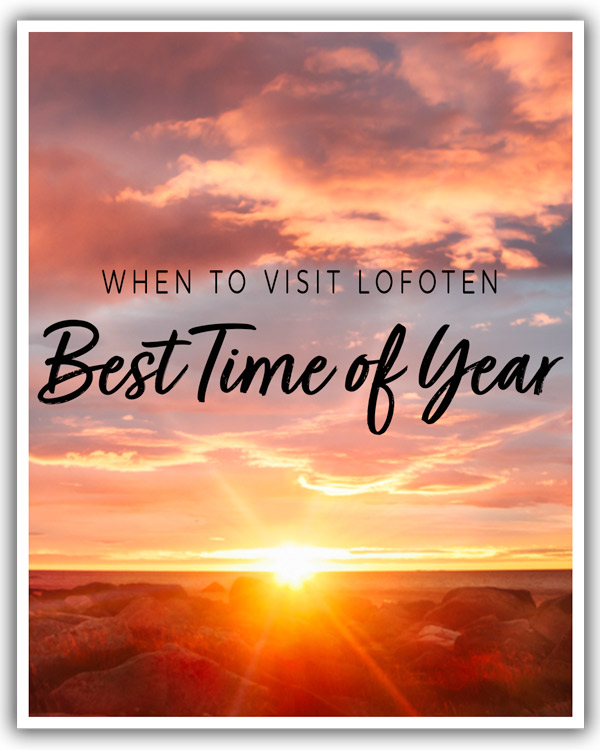
When to Visit the Lofoten Islands
There’s something unique about all of the seasons in the Lofoten Islands so choosing when to visit really depends on what you’re looking to get out of your visit.
For most people, the best time to visit the Lofoten Islands is during the summer months of July and August. Remember the wild weather I talked about in the beginning? Well, this is the best chance you have of avoiding it (but even then it’s more than possible to have winter weather during the height of summer here).
But for those of you who want to experience the uniqueness of a winter in Lofoten, you’re in for a treat. During the winter you not only have the chance to ski directly from mountain tops straight to a fjord, but this is also prime whale-watching season. In fact, you can see all types of whales in the Lofoten Islands with everything from Orcas (Killer Whales) to Humpbacks and many more frequenting the area.
Check out these articles for all the details:


How Long to Visit Lofoten
If you want to see everything there is to see, do all the best hikes and enjoy it all without rushing, 7 days is the perfect amount of time to visit Lofoten.
That being said, I know a lot of people don’t have 7 full days to spend here or they just want to see the highlights with a couple of hikes thrown in. For this, 4-5 days is perfect.
For those of you who are really short on time, it is possible to fit the main attractions into 2-3 days but know that you will miss out on some great hikes. Plus, this doesn’t leave you much wiggle room if the weather is not cooperating during your trip.
How to Get to the Lofoten Islands

Lofoten has two small local airports, Leknes Lufthavn (LKN) and Svolvær Airport (SVJ). Both of Lofoten’s airports are serviced by 20-30min flights from Bodø daily on Wideroe Airlines.
There are no international airports in the Lofoten Islands so you’ll first need to fly to Bodø before continuing on with either a direct flight or ferry to Lofoten.

TOP TIP: While flying can be an efficient way to get here if you’ve got connecting flights, the best way to get to Lofoten is actually by ferry from Bodø to Moskenes, Lofoten.
Firstly, the ferry trip itself is stunning, but additionally, car rentals are significantly cheaper in Bodø. If you really want the best route, I recommend flying into Bodø and out of Narvik, north of Lofoten. This means there’s no backtracking required and you can use all that time for enjoying these magical islands instead.
I’ve gone through every possible route for all transportation options in the article attached. Check it out for details of how to get to Lofoten from Oslo, Tromsø, Narvik, Bodø and abroad.
Getting Around in the Lofoten Islands

The best way to get around in the Lofoten Islands is by renting a car. Public transport here is minimal at best, and if you’re relying on buses, you’ll miss out on some of the most incredible hikes, beaches, and viewpoints.
While buses do connect the main towns, they only run a few times a day (and even less outside peak season). Plus, many of the best sites are off the main route which makes them inaccessible by public transport.
In summer, you will find extra hop-on-hop-off buses and guided tours, but they’re expensive and still don’t reach everywhere. So if you’re coming without a car, be prepared to meticulously plan around bus schedules.
Another huge advantage of driving around Lofoten is that it gives you the freedom to chase good weather (which trust me, is key in Lofoten), so for this, a rental car is 100% worth it.
That said, if you’re visiting in peak season and on a tight budget, hitchhiking is a surprisingly viable option during the summer as there are just so many people driving all around. You’ll rarely wait long for a ride but it will restrict you to seeing the sites during peak hours as fewer people are around during the magical midnight sun. I also don’t recommend counting on this in the off-season as traffic slows down dramatically once summer ends.
Renting a car doesn’t have to be expensive either, especially if you rent in Bodø and come across on the ferry. For a week-long trip, you can find a rental car for just €69.57 per day on Discover Cars.
Lofoten Island Itinerary

As I mentioned before, 7 days is the perfect length of time to visit the Lofoten Islands if you want to fit in a bit of everything; hiking, culture and sightseeing, at a reasonable pace.
I hate being rushed when I travel but I also get a serious sense of FOMO if I miss something epic, so if you’re anything like me, this itinerary is for you.
In the attached article I’ve set out everything you need to plan an incredible Lofoten road trip starting and ending in Bodø. This includes all your accommodation in each location for different price ranges, tours to book in advance, hikes every day and plenty of options for additional things to do if you want to change it up a bit.
Below is a rough overview of the itinerary but make sure to check out the post for all the nitty gritty details. And for those of you who don’t have the full 7 days (or have additional time), I’ve added a section which tells you exactly how to customize the itinerary for your needs at the end.
- Day 1: Ferry from Bodø to Lofoten, Exploring Å & Hiking Reinebringen
- Day 2: Boat trip to a Secluded Beach OR Kayaking in Reinefjorden
- Day 3: Hike to Ryten & Kvalvika Beach and Stay in a Rorbu at Nusfjord
- Day 4: Arctic Surfing & Offersøykammen or Viking Museum
- Day 5: Trollfjord Cruise, Hike Floya & Visit Svolvær
- Day 6: Hike Festvågtind and Get Cultured in Henningsvær
- Day 7: See Lofoten’s Iconic Beaches & Hike Mannen
Cost of Visiting Lofoten
The price of this Lofoten Island itinerary will vary depending on which accommodation you choose, how often you eat out and which paid activities you want to do, however, to help you estimate the cost of your trip, I’ve laid everything out below based on my 7-day itinerary below.
This cost estimate is based on two mid-range travellers sharing travel and accommodation costs. I’ve also only included the main paid activities that I recomend throughout my road trip itinerary such as the boat trip to Bunes Beach, surf lessons, Trollfjord cruise etc so the activities cost could also be more or less than listed below.
- Accommodation: 1000
- Activities: €220 x 2 people
- Food: €500 x 2 people
- Rental Car Rental: €312
- Ferries: €90
- Fuel: €85
- Parking: €40
= €212 per person per day
What & Where to Eat in Lofoten
Norway isn’t exactly known to be a culinary paradise (it’s not like France or Italy at all), but that doesn’t mean there are some foods you should try while you’re here!
Foods to Try in Lofoten
- Stockfish / Skrei – Starting the list of strong with a rather obvious one, if you eat fish you simply must try the famous stockfish while you’re here. It’s served at most restaurants around the islands and you can almost guarantee that it was caught locally. Can’t get much fresher than that! If you’re looking for a recommendation, Lofoten Seafood Center or Brygga Restaurant both have great reviews.
- Arctic Char – Another local fish dish, this one is smoked or grilled and is super popular amongst the locals.
- Lofoten Gårdsysteri – You’ll find this local cheese in the grocery stores around Lofoten. It’s a unique organic cheese made from goat milk with distinctly local flavours due to the natural diet of the animals.
- Lofotpils – The local beer! Another one you can find in local grocery stores throughout the Lofoten Island. Alternatively, head directly to the brewery for a tour.
Best Restaurants in Lofoten
- Klatrekafeen – The Climbing Cafe is located in the heart of Henningsvaer and serves great food with a super cozy atmosphere. The inside is an interesting mix of modern Scandinavian chic meets an Arctic explorer’s cabin.
- Paleo Arctic – Located in a traditional Rorbuer, here you’ll find an interesting take on the traditional seafood of Lofoten. If you want to try Norwegian food but usually find it a bit bland, this place will give you a new opinion.
- Maren Ann – Amazing local food with 5-star presentation and service. Make sure to book a table for this one as they are usually booked out every night in the summer!
- Trevarefabrikken – While Trevarefabrikken doesn’t have the biggest menu, it can’t be beaten for the view. In the summer months, rows of tables are lined up outside right by the water. If you’re lucky, you may even spot an orca whale swimming by (it’s a surprisingly common site here). The woodfired pizzas are second to none and if visiting earlier in the day, I can highly recommend their brunch!
What to Pack for a Trip to Lofoten

I never go anywhere without a lightweight Gore-Tex rain jacket like this one, especially if the weather is as unpredictable as it is in Lofoten. This one is my favourite because it’s super lightweight, breathable, layer-able, and completely waterproof, so you’ll stay dry without overheating
Shop my favourite jacket.

It never hurts to be prepared and a puffer jacket is always a smart addition when you’re heading to the arctic. It’s lightweight and packable so you’ll be happy you have it when you need it.
Check current prices.

The choice between hiking boots and trail runners mostly comes down to preference when hiking in Lofoten. Most of the most popular trails are not particularly technical so hiking boots aren’t 100% essential, but I do recommend you get some sort of supportive shoe as the hikes can be steeeeeeep. These are a great choice if you prefer something lightweight and flexible (like I do).
Pick some up.

Even in summer, Lofoten’s hikes can be pretty exposed to harsh weather and you will be thankful you threw in your faithful old beanie when you reach the top! It’s small and easy to pack and essential when temperatures drop.
Add to your collection.

Unless you’re planning to camp, most of the hikes in Lofoten are relatively short take hikes so a 20-30L day backpack is all you need. It’s lightweight and has just enough room for your essentials—water, snacks, a first aid kit and a light jacket. (This one has an amazing mesh back that helps so much with ventilation!)
Grab yours.

Hiking poles are great for steep, rocky, or exposed trails where you need a little extra balance (and there’s plenty of those here). They’re like having an extra pair of legs to help keep you steady, which can be lifesaving when you’re hit with some of Lofoten’s famous wind. I also find they make a massive difference in reducing strain on your knees for the steep descents you’re likely to encounter.
Grab some here.

I always make sure to bring a first aid kit when heading outdoors. Even if it’s a simple hike and you’re not expecting any issues, you never know and it’s better to be prepared with band-aids, antiseptic, and painkillers, just in case. Lofoten is also quite remote so it’s important you can do something to treat an injury before seeking professional help.
Restock your first aid kit here.

Well there you have it, everything you could possibly need to plan a trip to Lofoten! Remember, the Lofoten Islands are unbelievably busy during the summer and things book out well in advance. I recommend booking your hotels at least 6 months in advance and tours 2-3 months ahead of time to make sure you can snag your favourites.
I’ll be honest, for some of the more popular accommodations, beds sell out up to a year ahead so please don’t take it lightly when I say book early!
I loved the time I spent living in Lofoten and I want as many of you as possible to experience this magical hiking paradise. I’ve tried to write articles on every topic under the sun in my Lofoten travel guide to help your visit run smoothly. So feel free to go through all the posts I’ve linked here (and all the extra articles I’ve linked in those). Don’t hesitate to contact me if you have any further questions!
Happy travels,
Kate
Save this post for later or share it with your friends!


Bags Always Packed is a reader-supported site which means some of the links on this page may be affiliates. I spend a lot of time researching these hotels, tours and products and only recommend those which I would use myself. Booking your trip through my links is a great way for you to support my work for free, as I will earn a small commission at no extra cost to you. ♡
Helpful Resources
Hotels.com - Another great place to find a hotel with specific requirements for your trip.
Agoda - Best for booking hotels in Asia. Has options worldwide however in Asia it seems to have the most options of all the booking sites.
Hostelworld - Perfect for backpackers, Hostelworld is my go-to to find dorm rooms and cheap, social accommodation options.
Rental Cars - Another option to compare rental car companies and providers worldwide.
Sixt - Previously “Thrifty” car rentals.
Europcar - Offers car and van hire around the world.
AutoEurope - Best place to find RV’s to rent for your trip.
Paul Camper - Rent campervans directly from their owners at reduced prices.
Viator - Preferred by US providers so sometimes has a bigger range of activities in select locations.
Klook - Most popular in Asia, you will find a bigger range of attractions and tours in the region of Asia on Klook.
Civitatis - Specializing in European Cities. Although it provides tours worldwide, always check here for additional options if visiting Europe.
HeadOut - Best place to find discounted attraction tickets.
Tiqets - Offers a lot of combo tickets. Make sure to visit if you are planning on visiting a few iconic attractions within a city.
Tripaneer - Where to go if you want to book retreats of any kind (yoga, cycling, outdoors etc).
Guru Walks - Book your spot on a free walking tour.
G Adventure - Lets you compare multi day tours around the world to pick the right itinerary for you.
Cruise Critic - Check out the different cruise options for long or short trips world wide.
Cruise Direct - Another option for comparing and booking cruises for your trip.
Helly Hanson - Norwegian based clothing brand which produces durable outdoor clothing, particularly ski gear.
The North Face - High quality clothing for all your outdoor adventure needs.
Decathlon - Has a great range of cheap equipment and clothing for a huge range of sports and outdoor activities.
Sport Chek - Everything you need for general sports and outdoor adventures under one roof (or website).
Kiwi - Best platform for comparing different routes and dates.
Flixbus - Cheapest bus service mostly serving Europe but available in a few other destinations.
Greyhound - US long distance bus transport service.
Busbud - Compare and find all the bus times and providers for your chosen route.
Trainline - Find train times and tickets for long distance travel around the world.
Save a train - Another place to get train tickets and compare services for your destination.
Welcome Pickups - Pre book your airport transfer to your hotel.
Get Transfer - Another option to find airport transfers within your destination city.
Kiwi Taxi - Find and pre-book a taxi service in your location (including airport transfers).
SafetyWing - Best for digital nomads, offers ongoing monthly travel insurance plans.
Bonzah - Rental car insurance. Cheaper plans than those offered by the rental car companies themselves.